

Dermatitis Treatment
What will Dermatitis-Ltd III® Accomplish for you?
Dermatitis-Ltd III® is the best treatment for your Dermatitis, Eczema and Psoriasis. Patients have seen an excellent improvement in the appearance of their skin. This can easily be accomplished by stopping the previous eczema, psoriasis or dermatitis treatments and applying Dermatitis-Ltd III®. You and most other patients have spent many years and dollars in your search for the best eczema treatment and psoriasis treatment.
We are now past our 20th successful year of serving eczema, psoriasis and dermatitis patients throughout the world. Over 98% of Dermatitis-Ltd III® patients report great satisfaction with the improvement of their appearance change or beauty of their skin. Most eczema and psoriasis patients had tried most medications from their dermatologist for yewears. Dermatitis-Ltd III® does not smell or stain clothes, dries within 10 seconds, and is invisible on the skin.
We have both expertise and authoritativeness in the treatment of dermatitis unparalleled in the industry today. We have been in business over twenty years, maintaining an A+ rating with the Better Business Bureau, complying with strict guidelines set by the U.S. Food and Drug Administration, and continuing research by licensed medical professionals. We have remained a disruptor in the dermatitis skin care market, hosting a free repository of information for the public and providing our customers - patients - with personalized letters of instruction.
Purchase Dermatitis-Ltd III® with Confidence!
- Medical patents throughout the world for eczema, psoriasis and dermatitis.
- Research team of Eczema-Psoriasis-Dermatitis has 32 years of collective research lead by a Johns Hopkins MD.
- Dermatitis-Ltd III® is dosed to last a 12 month timeframe
- U.S. Customers Only: Reasonable pricing of $98.00 or $0.27 per day including processing with delivery to your home or office in 2-3 days in the U.S. International Customers Only: pricing still reasonably at $130.00 which includes Federal Express Shipping and will normally arrive within 2-3 days in most countries.
- Dermatitis-Ltd® was founded in 2000, and Bass & Boney, Inc. has been in business since 1983.
- 120-day - 100% refund. No questions asked.
- People trust us because we are happy to reveal our business history. Many past patients have stated, "you have nothing to lose except your eczema, psoriasis or dermatitis." The Better Business Bureau reports an "A+" rating. Also, we have an excellent praise history at the Web Assured Bureau.
- We provide secure online ordering.
- Proudly made in the USA!

Our team of researchers is led by a Johns Hopkins University M.D. with a two-year fellowship at the University of Pennsylvania at Philadelphia, residency at Harvard University’s Beth Israel Deaconess Medical Center and two years of research at Massachusetts General Hospital. We developed Dermatitis-Ltd® over 20 years ago as an all-natural treatment for dermatitis. Pictured to the left is Dr. Taylor, the inventor of Dermatitis-Ltd®.
We have patents for treatments in the United States and 195 other countries.
Trust us and our product Dermatitis-Ltd®. We have always had a good quality medication that is often sold by word of mouth of friends and family relatives and via various Support Groups. We have always been a member of the Better Business Bureau. Likewise, the U.S. Food and Drug Administration has inspected us over the years with no reported consumer recall nor damage of any type to anyone worldwide.

The Primary types of Dermatitis
Dermatitis-Ltd III® can easily solve the dermatitis, eczema, & psoriasis skin rash symptoms of redness, itching, cracking, and swelling. The cause of dermatitis, eczema & psoriasis is either direct skin contact, or an allergic reaction to an irritant in the environment.
The "dermis" of the skin is the outer layer that is irritated and is the origin of the word 'Dermatitis'. Various types of eczema and psoriasis are the primary types of dermatitis of all people throughout the world regardless of ethnic origin.
Within the Site Directory, you will find the latest information concerning the various types of eczema and psoriasis along with information on the cause and treatment options. Notable pages include: Eczema: Symptoms, Cause and Treatment, Psoriasis: Symptoms, Cause, and Treatment, Dermatitis: Symptom, Cause and Treatment, and Lifestyle Changes to Combat Eczema and Psoriasis.
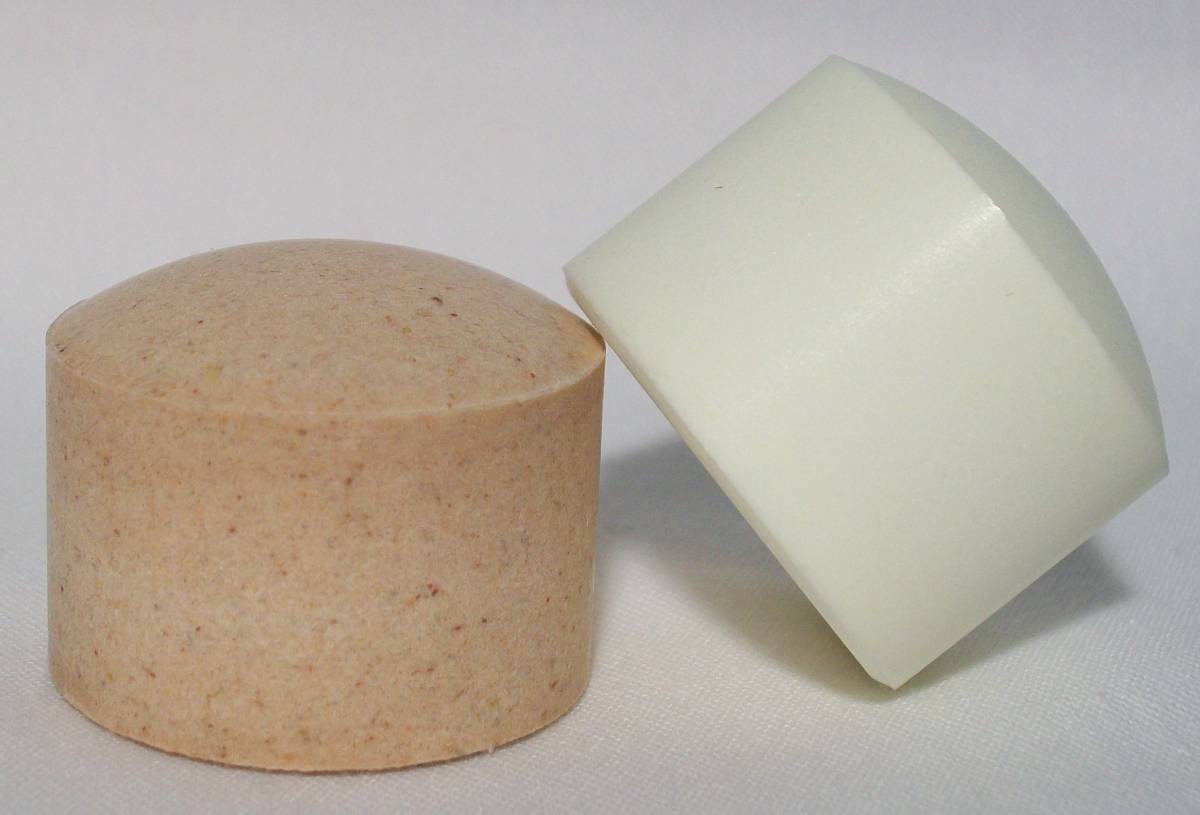
Dermatitis-Ltd III® which are ideal for eczema, psoriasis and dermatitis are: copper oxide, zinc oxide, iron oxide, sodium chloride, cornstarch, sulfur, and polyethylene glycol. Dermatitis-Ltd III® has a natural pH of 7.0 which is the perfect pH balance to allow the skin to normalize itself and heal itself.
All U.S.A orders and International order are mailed the same and delivered within 2-3 days in all countries.
A 12 month supply of Dermatitis-Ltd III® for $98.00 includes
shipping and handling to you.
Two views are shown of the Dermatitis-Ltd III® disk for illustration purposes. The disks will normally provide 12 months of dermatitis care. Dermatitis-Ltd III® is discreetly packaged
for your privacy.

Dermatitis-Ltd III® has an unconditional 120-day, 100% refund. Simply return unused portion of Dermatitis-Ltd® & instruction letter.


Allergic contact dermatitis is a red, itchy, weepy reaction where the skin has come into contact with a substance that the immune system recognizes as foreign, such as poison ivy or certain preservatives in creams and lotions. Red, bumpy, scaly, itchy, and swollen skin are all symptoms which can signify an allergic skin condition. These skin problems are often caused by an immune system reaction, signifying an allergy. Allergic skin conditions can take several forms and are due to various causes.
Dermatitis
Dermatitis is inflammation of the various levels of the dermis which is the second layer of the skin. The dermis contains sweat glands, blood vessels and nerves to provide sensations of pleasure, pain, pressure, itch, or temperature. The dermis is composed of tissue types of collagen, elastic tissue, and reticular fibers. Any rash or inflammation such as psoriasis, eczema, skin cancer, seborrhea, etc. is dermatitis. Specific types of dermatitis are as follows: allergic contact dermatitis which is a delayed hypersensitivity reaction involving allergens and antibodies, contact dermatitis is due to exposure to irritating chemicals or detergents, atopic dermatitis which is an allergic reaction that is accompanied by hay fever, asthma, and very dry skin.